Category: Uncategorized

  • The 4-Year Bull Cycle in Bitcoin Isn’t in Play This Time

    The Old Playbook Is Broken

    For years, the crypto community has lived and died by one sacred chart: the Bitcoin halving cycle.
    Every four years like clockwork — 2013, 2017, 2021 — Bitcoin has delivered an explosive bull market that peaked roughly 12–18 months after the halving, followed by an 80–85% bear market the next year.
    So with the April 2024 halving now 20 months behind us, and Bitcoin trading well off its all-time high after a sharp 35–40% correction, the chorus is getting louder:

    “It’s over. The blow-off top was late 2024 or early 2025. 2026 will be the bear market year. History rhymes.”

    That narrative feels comfortable because it has worked three times in a row.
    But this time, the 4-year halving cycle is no longer the dominant force driving Bitcoin’s price. In fact, it may be almost irrelevant. Here’s why.

    1. The 4-Year Cycle Was Never Really About the Halving

    The halving reduces Bitcoin’s new supply issuance by 50% every ~4 years. That is real.
    What is not real is the idea that this mechanical event alone has been the primary driver of the mega-cycles.

    Look at the actual history through a macro lens:

    • 2011–2013 bull → coincided with the post-GFC global reflation (U.S. QE2/QE3 + China’s 4-trillion-yuan stimulus)
    • 2015–2017 bull → coincided with China’s second giant property and credit reflation after the 2015 stock-market crash
    • 2019–2021 bull → coincided with the largest synchronized fiscal + monetary stimulus in recorded history (COVID)

    In every single case, the halving happened to land at roughly the same time as a once-in-a-decade global liquidity tsunami. The halving became the convenient story, but the true rocket fuel was always newly created dollars, yuan, yen, and euros chasing risk assets.

    When you detach the price history from the halving calendar and overlay it instead on global central-bank balance sheets and fiscal deficits, a very different pattern emerges: Bitcoin (and risk assets in general) go parabolic when liquidity is expanding aggressively, and they crash when liquidity contracts.

    2. The 2023–2025 Bull Was Not Driven by the Upcoming Halving Either

    Most people assume the current cycle began because markets started “pricing in” the 2024 halving.
    That’s not what actually happened.

    The real trigger was U.S. Treasury Secretary Janet Yellen’s deliberate engineering of the Reverse Repo Facility (RRP) drain. From its peak of $2.55 trillion in 2022, the RRP was systematically guided toward zero over ~24 months (Sept 2023 → early 2026). Every dollar leaving the RRP became fresh liquidity available to chase stocks, gold, real estate — and crypto.

    That engineered RRP drain acted as stealth quantitative easing while the Fed was still officially tightening. It is the primary reason every risk asset on earth began marching higher in Q4 2023 — not halving anticipation.

    3. Global Liquidity Is About to Re-Accelerate — Not Contract

    Here is where the old 4-year script completely breaks down.

    In past cycles, the year after the post-halving peak was always characterized by tightening financial conditions:

    • 2014 → China deleveraging + Fed ending QE
    • 2018 → Fed QT + China supply-side reform
    • 2022 → most aggressive Fed hiking cycle in 40 years

    2026–2028 is shaping up to be the opposite.

    • United States: Mid-term elections in 2026 will force both parties to deliver fiscal “goodies.” The incoming administration has already signaled aggressive use of deficit spending (infrastructure, AI build-out, energy dominance). Political pressure on the Federal Reserve to keep credit cheap will be extreme.
    • China: Authorities are actively fighting property deflation and youth unemployment. More stimulus is already being rolled out, with larger packages widely expected if housing continues to weaken.
    • Japan: The new government just passed the largest supplementary budget since Abenomics.
    • Europe: Rearmament and energy-transition spending are set to explode deficit spending across the continent.

    In other words, almost every major economy on earth has powerful domestic reasons to turn the money printer back on in 2025–2027. There is no global tightening regime waiting in the wings like there was in previous post-peak years.

    4. Bitcoin Has Become the Purest Liquidity Barometer

    Because Bitcoin is the most liquid, 24/7, globally traded risk asset with virtually no fundamental cash flows to anchor its valuation, it has evolved into the world’s most sensitive “smoke alarm” for changes in dollar liquidity.

    The sharp October–November 2025 correction from ~$125k to the low $80k region was Bitcoin front-running a temporary liquidity squeeze (end of aggressive RRP drain + brief government shutdown fears). Traditional markets have not yet fully priced that squeeze — meaning either:
    (a) stocks catch down and force an immediate policy response (rate cuts + fiscal stimulus), or
    (b) the squeeze proves transitory and everything rips higher again.

    Either path is bullish for Bitcoin over a 12–24 month horizon. Neither path resembles the multi-year liquidity contraction that defined previous bear markets.

    5. Positioning and Psychology Still Look Early

    Retail participation is high, but institutional allocation to crypto remains astonishingly low outside of a few spot ETFs. Leverage in the system, while elevated, is nowhere near the euphoric levels seen at true cycle tops (e.g., 2021’s 100x+ perpetual futures or 2017’s ICO mania).

    When the next undeniable wave of global stimulus hits, the amount of capital still sitting on the sidelines is enormous.

    The Bottom Line

    The Bitcoin 4-year halving cycle was always a correlation masquerading as causation. Strip away the coincidence with past liquidity cycles, and the halving’s supply impact becomes just one input among many — and a relatively minor one at that when central banks and governments are prepared to create trillions of new currency units.

    This time, the macro backdrop is not pointing to a classic post-halving peak and multi-year bear market in 2026–2027. It is pointing to a multi-year extension of the risk-asset bull market, fueled by fiscal dominance and competitive currency debasement.

    The real parabolic phase — the one people will later look back on and say “that was the actual mania” — may still be in front of us, not in the rear-view mirror.

  • Bulk token airdrop guide

    Bulk token airdrop guide

    Bulk is a decentralized exchange built on Solana for high-speed orderbook trading while preserving decentralization, censorship resistance, and permissionless access.They have just delayed their mainnet launch which means you are still early to participate! Here is our Bulk token airdrop guide.

    What is Bulk?

    Bulk is a next‑generation decentralized exchange built on Solana, designed to deliver centralized‑exchange‑level speed and efficiency for high‑frequency orderbook trading while preserving decentralization, censorship resistance, and permissionless access. Its main features include colocation‑grade performance, perpetual futures trading, and a novel execution architecture tailored for DeFi. They have raised US$8 million so far from investors such as Wintermute Ven tures, Minara Ventures and others. Here are some of Bulk’s main features:

    • Colocation‑Grade Performance: Bulk’s architecture is designed to match the speed of centralized exchanges without compromising decentralization.
    • Perpetual Futures Trading: The Exchange offers decentralized perpetual futures markets, giving traders advanced instruments similar to those on leading centralized platforms.
    • Permissionless Access: Anyone can participate without gatekeepers, ensuring open and censorship‑resistant trading.
    • Novel Execution Architecture: Built to optimize throughput and minimize latency, making it suitable for institutional‑scale trading.
    • DeFi Alignment: Maintains the core values of decentralization, transparency, and resistance to censorship while pushing the performance frontier

    How to get the Bulk token airdrop?

    Here is a step by step guide on how to get the potential Bulk token airdrop

    1. Earn roles in Bulk Discord

      Join the Bulk Discord. Complete the verification steps. Earn roles on their Discord channel such as Contributor, OG and Testnet. To do this, actively contribute to the discussions on the Discord, help other members and produce content for Bulk such as memes or guides.

    2. Stay updated

      Follow Bulk on their social media channels such as Discord or X so you are up to date on their latest news.

  • GTE token airdrop guide

    GTE token airdrop guide

    GTE is a fully on‑chain decentralized trading venue built on MegaETH, combining asset creation, spot and leverage trading, and token launches with CEX‑level speed and DeFi security. They are currently in its Beta stage and aiming to launch its Mainnet in early 2026. Here is our GTE token airdrop guide.

    What is GTE?

    GTE is a fast, fully on‑chain decentralized trading venue on MegaETH that integrates asset creation, spot and leverage trading, and token launches with CEX‑level speed and DeFi security. It has raised about US$25.9M across pre‑seed, seed, public sale, and Series A rounds, with backing from Paradigm, Wintermute, Polychain, Blockchain Capital, and other notable investors. Here are some of the main features of GTE:

    • Launchpad: A deeply liquid vehicle for established projects to conduct their Token Generation Event (TGE).
    • Takeoff: A permissionless token launcher for developers to cheaply create tokens and bootstrap liquidity via bonding curves.
    • Liquidity & Transparency: Combines the speed and liquidity of CEXs with the security and composability of DeFi

    How to get the GTE token airdrop

    Here is how to get the potential GTE token airdrop

    1. Claim testnet ETH

      Connect to https://testnet.megaeth.com/#2 with your MetaMask wallet. Use the faucet to receive testnet ETH tokens.

    2. Use faucet

      Use the faucet on the page to receive testnet ETH tokens. Then, add Mega Testnet to your MetaMask wallet.

    3. Connect to GTE testnet

      Go to https://testnet.gte.xyz/ and connect your wallet.

    4. Swap on GTE testnet

      Go to the “Swap section” and swap different test token pairs. Increase your trading volume by doing more token swaps. This could potentially increase any airdrop distribution you might get.

    5. Create tokens

      Use Takeoff to create your own token and launch it. Then, buy, swap or create liquidity pools with it.

    6. Add liquidity or create your own pool

      Go to “Earn fees” and choose a pool from the list. Click “Deposit” and follow the steps to add liquidity. Alternatively, you can create your own pool.

    7. Buy tokens on Dash

      Go to Dash and buy tokens. Aim to do this every day to generate more volume.

    8. Stay updated

      Follow GTE on X or Discord

  • Why Airdrops Are Losing Popularity in 2025?

    In 2025, airdrops are no where near as common and definitely not as profitable as it was late 2024. Gone are the days where a few on-chain transactions can yield hundreds if not thousands of dollars worth of airdrops. In this article we break down what’s causing the this trend explain what is going on.

    1. Airdrops Attract Farmers, Not Loyal Users

    The core promise of airdrops was to put tokens in the hands of real users. In practice, they mostly reward farmers—automated accounts and sybil attackers who game eligibility criteria for profit.

    • Farmers complete repetitive tasks (like testnet interactions or app clicks) using bots or multiple wallets.
    • Once tokens are distributed, they sell immediately, flooding the market and crashing prices.
    • These participants rarely engage with the protocol long-term. They’re not builders, not believers—just opportunists.

    This creates a parasitic dynamic. The community looks active on paper, but it’s hollow. Metrics like TVL, transaction count, or user growth get inflated by non-organic activity, misleading investors and teams alike. In reality, farmed data says nothing about product health or future adoption.

    2. Zero Retention: Tokens Don’t Create Sticky Users

    If airdrops were meant to onboard loyal users, the data tells a different story.

    • Churn is extreme. Most airdrop recipients sell within days or weeks.
    • There’s almost no example of a broad, gamified airdrop leading to sustained usage.
    • Retentive, high-value users almost never come through airdrop channels.

    Compare the total value of tokens distributed via airdrops over the years to the actual revenue generated by top protocols. The gap is staggering. If this were traditional marketing spend, the ROI would be considered catastrophic. Billions in token value given away—yet little to no lasting impact on user behavior or protocol revenue.

    The conclusion is clear: Airdrops don’t convert free users into engaged ones. They’re not a growth engine; they’re a liquidity event for sellers.

    3. Airdrops Are Poorly Spent Marketing

    Airdrops were once seen as a low-cost way to gain attention. But attention isn’t enough—it has to be the right kind.

    • Most airdrops optimize for easily measurable but meaningless actions (e.g., “touch every button in the app”).
    • This follows Goodhart’s Law: when a measure becomes a target, it ceases to be a good measure.
    • Farmers optimize the system perfectly—then leave.

    In today’s market, long-term value (LTV) matters more than customer acquisition cost (CAC). Projects are judged on revenue, retention, and economic sustainability—not vanity metrics. Handing out tokens to transient users doesn’t move the needle on any of these.

    Even worse, airdrops dilute early supporters. Loyal holders and team members see their ownership eroded to reward people who contribute nothing and exit immediately.

    4. Better Alternatives Exist: ICOs, Linear Rewards, and Revenue Sharing

    If airdrops fail to put tokens in the right hands, what’s the alternative?

    ICOs: Sell to Committed Buyers

    • Direct token sales (like modern ICOs) let projects raise capital from aligned, long-term holders.
    • Buyers pay real money, signaling conviction.
    • Sales can include lockups, timeouts for flippers, or allocation rules to filter speculators.
    • Oversubscribed sales give leverage to the project—rewarding good behavior, not gaming.

    As one view puts it: If users are just going to sell, why not skip the middleman and sell the tokens yourself?

    Linear Airdrops & Performance Rewards

    Not all token distributions are equal. Pay-for-performance models work when tied to real contributions:

    • Providing liquidity
    • Lending/borrowing capital
    • Securing networks

    These “linear airdrops” (common in DeFi) align incentives. You earn based on value added—not arbitrary tasks. Protocols like top revenue generators today often succeed without broad airdrops, relying instead on economic flywheels.

    Revenue Sharing: Value Accrues to Holders

    With regulatory clarity improving, protocols can now activate fees and direct revenue to token holders. This creates real economic alignment—no free lunch required.

    5. The 2025 Meta: Revenue Over Hype

    Crypto in 2025 is in a revenue meta. Markets reward:

    • Sustainable business models
    • Real cash flow
    • Defensible moats

    Airdrops belong to a previous era—one of endless hype, zero accountability, and “number go up” at any cost. That playbook no longer works.

    • Top protocols by revenue? Few did large airdrops.
    • High-retention apps? Built through product, not giveaways.
    • Investor diligence? Now strips out farmed metrics entirely.

    The experiment has been run. The verdict: Airdrops are net negative for most projects.

    The Future: Smarter Distribution, Stronger Alignment

    Airdrops won’t disappear entirely. They may live on in niche forms:

    • Targeted rewards for early testers
    • Bounties for bug finds or content
    • Retroactive grants to genuine contributors

    But the era of mass, gamified, “free money” airdrops is over.

    Projects now prioritize:

    • Clarity: One asset, one incentive structure
    • Alignment: Reward contribution, not exploitation
    • Sustainability: Build revenue, not illusions

    In 2025, crypto isn’t about tricking people into using your app. It’s about building something people want to use—and getting paid for it.

    The death of the airdrop isn’t a loss. It’s a sign of maturity.

  • Top Crypto News – September 13, 2025

    Top Crypto News – September 13, 2025

    TL;DR

    Bitcoin surged to $116,778 (+2% daily, +25% YTD) while Ethereum hit $4,675 (+5.8%) as the SEC unveiled “Project Crypto” regulatory framework. Solana overtook BNB as the #5 crypto by market cap at $240, and Tether announced USAT stablecoin launch plans. The market cap exceeded $4 trillion with overwhelmingly positive sentiment across social media.

    Market Overview

    Price Action & Performance

    AssetPrice24h ChangeYTD PerformanceKey Level
    Bitcoin$116,778+2.0%+25%$115K support
    Ethereum$4,675+5.8%+40%$4.7K resistance
    XRP$3.15Stable+180%$3.60 target
    Solana$240+7%+85%ATH approach

    Market Capitalization: Total crypto market cap exceeds $4 trillion with futures liquidations totaling $403 million (78.5% shorts) in 24 hours. x.com

    Regulatory Breakthrough: SEC’s “Project Crypto”

    SEC Chair Paul Atkins delivered a landmark speech at the Paris OECD meeting, declaring “most tokens are not securities” and outlining comprehensive regulatory reforms:

    • Bright-line tests for token classification
    • Safe-harbor period for compliance
    • Unified licensing for trading, lending, and staking activities
    • Formal rule-making agenda placement signals policy pivot from enforcement-first approach coindesk

    Infrastructure & Protocol Developments

    Tether’s US Expansion

    Tether announced USAT – a U.S.-domiciled stablecoin launching by year-end:

    • Anchorage Digital Bank will serve as issuer
    • Bo Hines (ex-White House adviser) appointed CEO
    • Aligns with newly-signed GENIUS Act governing stablecoin reserves reuters

    Korean Exchange Innovation

    Dunamu (Upbit operator) unveiled Giwa Chain – an Optimism-based Ethereum L2 targeting:

    • Payment infrastructure
    • Korean won stablecoin issuance
    • Global expansion beyond exchange operations biz.chosun

    ETF & Institutional Flows

    • $552.7 million net inflows into Bitcoin ETFs (Sept 11)
    • $113.1 million net inflows into Ethereum ETFs
    • $4.3 billion in Bitcoin options expiring today, creating bullish gamma pressure
    • Standard Chartered forecasts $135K Bitcoin target blockchain.news

    Social Sentiment Analysis

    Trending Narratives

    TopicSentimentKey CatalystCommunity Focus
    XRP ETFBullish$3.60 target, rate cutsTechnical breakout patterns
    BitcoinVery Bullish$150K targets, golden crossInstitutional mining adoption
    EthereumBullish$5K-$10K pathATH break expectations
    SolanaPositive$250 next targetPhysical-digital NFT convergence

    Key Community Insights

    • Adam Back (Blockstream CEO): Current Bitcoin price “way too cheap” x.com
    • Golden cross pattern historically precedes 50%+ pumps within weeks x.com
    • Bitcoin dominance decline signals ongoing altcoin rally phase x.com

    Macro Context

    The crypto rally aligns with broader risk-asset optimism as markets price in 2-3 Federal Reserve rate cuts following soft PPI/CPI data. This macro tailwind combined with regulatory clarity creates a favorable environment for continued crypto adoption and price appreciation.

    Overall Assessment: The convergence of regulatory breakthrough, institutional adoption, and technical momentum suggests September 13, 2025 marks a significant inflection point for crypto markets, with bullish sentiment supported by concrete policy developments rather than speculative hype alone.

  • Warden Protocol Airdrop Full Guide

    Warden Protocol Airdrop Full Guide

    Below is a comprehensive step-by-step guide to participating in the Warden Protocol $WARD airdrop, based on the latest available information from various sources. Follow these steps to maximize your chances of earning rewards.

    Step-by-Step Guide to Participating in the Warden Protocol $WARD Airdrop

    Step 1: Understand the Airdrop Structure

    • Overview: Warden Protocol’s airdrop is designed to reward active community members, stakers, and users of its platform through various tasks, staking, and engagement activities. It includes multiple phases, with Phase 1 already completed (snapshot on March 22, 2024, for $QRDO stakers) and Phase 2 ongoing as of June 2025. The airdrop allocates 10% of the total $WARD token supply to a Public Goods Pool for app users, emphasizing real platform usage over social media tasks.

    • Key Campaigns (start here) https://app.wardenprotocol.org/referral?code=LAARF
      • Swap Till You Drop: Earn PUMPs (points redeemable for $WARD) through swaps, deposits, and referrals.
      • Staking Rewards: Staking $TIA, $DYM, $ATOM, or $QRDO qualifies users for airdrop eligibility.
      • Community Engagement: Completing quests on platforms like Galxe, Zealy, and Discord earns WARP Points.
    • Token Details: $WARD is the governance token, while $WARP (initially used for airdrops and rewards) is now reflected as $WARD post-Liquidity Bootstrapping Pool. WARP Points earned through activities can be redeemed for $WARD tokens.

    Step 2: Set Up a Compatible Wallet

    • Wallet Requirement: Use a wallet compatible with Warden Protocol, such as Keplr (for Cosmos-based chains) or MetaMask/Trust Wallet (for EVM-compatible chains like Ethereum, Solana, or Base). Ensure the wallet has a history of transactions, staking, or token holding, as empty or new wallets are ineligible.
    • Steps:
      1. Download and Install Keplr:
        • Visit keplr.app and download the Keplr wallet (browser extension or mobile app).
        • Create a new wallet or import an existing one, securely backing up your seed phrase.
      2. Alternative for EVM Chains:
        • Use MetaMask or Trust Wallet for Solana, Ethereum, or Base networks.
        • Ensure the wallet is funded with a small amount of native tokens (e.g., ETH, SOL) for gas fees.
      3. Secure Your Wallet:
        • Use a hardware wallet (e.g., Ledger) or secure storage for private keys to protect your assets.
        • Double-check wallet addresses to avoid errors during airdrop claims.

    Step 3: Acquire Eligible Tokens for Staking

    • Eligible Tokens: To qualify for the Phase 2 airdrop, stake $TIA (Celestia), $DYM (Dymension), $ATOM (Cosmos), or hold $QRDO. These tokens must be staked for at least 10 days to meet snapshot requirements.
    • Steps:
      1. Purchase Tokens:
        • Buy $TIA, $DYM, $ATOM, or $QRDO on exchanges like Binance, OKX (with 20% trading fee rebate), or MEXC.
        • Transfer the tokens to your Keplr wallet (for Cosmos-based tokens) or MetaMask/Trust Wallet (for $QRDO if on Ethereum).
      2. Stake Tokens:
        • Use platforms like XBANKING or YieldWard for staking. For example:
          • On XBANKING, stake $ATOM, $DYM, or $ETH by April 14, 2024, for at least 10 days to qualify for Phase 2.
          • On YieldWard, staking $WARP provides a 20% $WARD bonus.
        • Connect your wallet to the staking platform, select the token, and follow instructions to lock your tokens.
      3. Monitor Snapshots:
        • A snapshot for WARP earners is scheduled for Q3 2025, with claims opening in late 2025. Ensure your tokens are staked before the snapshot date, which will be announced on Warden’s official Discord or X.

    Step 4: Register on the Warden Protocol Platform

    • Create an Account:
      1. Visit the official Warden Protocol website
      2. Sign up with your email address to access the platform’s features, including the “Swap Till You Drop” campaign.
      3. Connect your compatible wallet to the platform to track your activities and rewards.
    • Verify Eligibility:
      • For $QRDO stakers (Phase 1), check eligibility on the official Warden airdrop page provided in the project’s documentation.
      • For Phase 2, ensure you meet the staking or activity requirements outlined on the airdrop page.

    Step 5: Participate in the “Swap Till You Drop” Campaign

    • Overview: This campaign rewards users with PUMPs (points) for swaps, deposits, and referrals, which are redeemable for $WARD tokens.
    • Steps:
      1. Earn PUMPs through Swaps:
        • Execute swaps on the Warden Protocol platform (e.g., at spaceward.alfama.wardenprotocol.org).
        • Earn 100 PUMPs per swap (no minimum amount required).
        • Complete 5 swaps to unlock 1,000 PUMPs (500 PUMPs for swaps + 500 bonus).
        • Increase swap volume to qualify for volume bonuses (minimum $1,000 in swap volume for higher tiers, up to $1 million).
      2. Earn PUMPs through Deposits:
        • Deposit assets on supported networks (Solana, Ethereum, or Base).
        • Earn 5 PUMPs per dollar deposited, calculated at the end of the campaign period.
        • Acquire tokens via Binance or bridge assets using Rhino Bridge for seamless transfers.
      3. Engage with the AI Agent:
        • Interact with Warden’s AI agent on the platform to earn initial PUMPs.
        • Explore features like creating coins, performing swaps, or researching via AI-driven chat/voice commands.
      4. Build a Referral Network:
        • Invite active friends to join the platform using your referral link.
        • Earn multipliers for active referrals and second-layer referrals (friends invited by your referrals).
        • Focus on quality referrals who engage in swaps and deposits to maximize rewards.

    Step 6: Complete Community Quests and Campaigns

    • On-Chain and Off-Chain Tasks:
      1. Join Warden’s Discord:
        • Visit discord.com/invite/wardenprotocol and join the server.
        • Earn the “Early Defender” role (automatically assigned) and link your Discord account in settings.
      2. Participate in Galxe/Zealy Campaigns:
        • Go to Galxe or Zealy, connect your wallet or social account, and complete tasks (e.g., social media sharing, community engagement).
        • Earn roles and WARP Points for completing tasks like those in the Warden and Spheron or Warden and Irys campaigns.
      3. Engage in Genesis Campaign Phase 2:
        • Participate in gamified leaderboards by completing quests and on-chain transactions.
        • Track your WARP Points on the Warden Airdrop Leaderboard.
      4. Daily Challenges:
        • Complete daily challenges and maintain activity streaks on the Warden App to earn additional PUMPs.
    • Maximize Points:
      • Focus on quality contributions (e.g., impactful referrals, high-quality content) to earn multipliers.
      • Regularly check Discord and X for task updates and new campaigns.

    Step 7: Redeem WARP Points

    • Process:
      1. Track your WARP Points on the Warden Airdrop Leaderboard (available on the official airdrop page).
      2. Redeem WARP Points for $WARP tokens on the Base network at regular intervals (announced on official channels).
      3. Note: 1 WARP Point = 1 $WARP token, which is eligible for an equivalent amount of $WARD during the airdrop.
    • Deadline: Redeem WARP Points before the Q4 2025 deadline to ensure eligibility for $WARD tokens.

    Step 8: Claim Your $WARD Tokens

    • Claim Process (expected to open in late 2025):
      1. Visit the official Warden Protocol airdrop claim page (to be announced on wardenprotocol.org or via Discord/X).
      2. Connect your wallet used for staking or platform activities.
      3. Follow on-screen instructions to verify and claim your $WARD tokens.
      4. Ensure your wallet is funded with sufficient gas fees (e.g., ETH for Base/Ethereum, ATOM for Cosmos).
    • Vesting Schedule: Tokens may have a 6-month cliff followed by a 2-year linear vesting period. Check official documentation for exact details.
    • Security Tips:
      • Verify all links through official Warden Protocol channels (website, Discord, X) to avoid scams.
      • Use a hardware wallet or secure practices to protect your tokens during the claim process.

    Step 9: Stay Informed and Engaged

    • Monitor Updates:
      • Follow Warden Protocol’s official X account and join their Discord for snapshot dates, claim announcements, and new campaigns.
      • Check the official website and documentation docs.wardenprotocol.org for updates.
    • Community Engagement:
      • Stay active in the Warden community to increase your chances of earning additional rewards.
      • Participate in governance proposals or developer incentives if you’re a developer building on Warden.
    • Track Leaderboards:
      • Regularly check your rank on the PUMP and WARP Points leaderboards to gauge your progress.

    Step 10: Optional – Trade or Hold $WARD/$WARP

    • Trading:
      • $WARP tokens are tradable on platforms like Uniswap and MEXC. After redeeming WARP Points, you can trade $WARP or hold for $WARD conversion.
      • Use wallets like Bitget Wallet to purchase $WARP via trading pairs (e.g., WARP/USDT).
    • Holding:
      • Hold $WARD for governance, staking, or potential price appreciation. The token’s utility includes protocol fees, governance, and operator payments.
    • Price Context:
      • As of July 3, 2025, WARP’s market cap was over $400,000, with an all-time high of $0.422078 and a low of $0.0318. Price predictions are speculative but depend on adoption and market sentiment.
  • Trezor Safe 5 Review: Advanced Security with a Modern Interface

    Trezor Safe 5 Review: Advanced Security with a Modern Interface

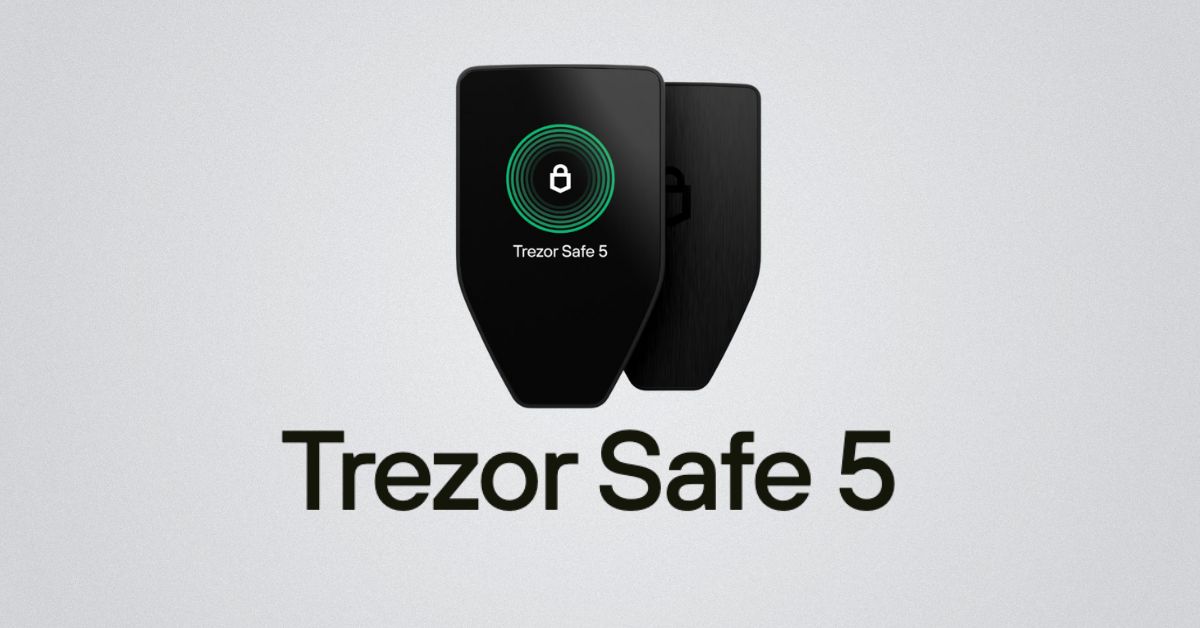
    Trezor is a leading hardware wallet brand known for its open-source transparency and strong focus on Bitcoin security. Unlike competitors like Ledger, which support more altcoins and offer beginner-friendly interfaces, Trezor prioritizes robust protection for Bitcoin holders. The Trezor Safe 5 stands out as a highly secure option for users seeking to safeguard their Bitcoin assets.

    In this review, we explore the Trezor Safe 5’s key features, security, and comparisons to other Trezor models. For a reliable hardware wallet focused on Bitcoin security, the Trezor Safe 5 is an excellent choice.

    buy now

    Overview and Key Features of the Trezor Safe 5

    Priced at US$169, the Trezor Safe 5 is Trezor’s most advanced wallet with enhanced security and a user-friendly interface. The Trezor Safe 5’s 1.54-inch color touchscreen with haptic feedback offers a more intuitive, responsive user experience than earlier models. This allows for clearer transaction verification and easier navigation through the device’s functions.

    Key Features of the Trezor Safe 5

    The Trezor Safe 5, priced at US$169.00, is Trezor’s most advanced hardware wallet, designed to enhance both security and usability. According to official Trezor sources, its standout features include:

    • 1.54-inch Color Touchscreen with Haptic Feedback
      A vibrant, high-resolution color touchscreen that supports haptic feedback for a more intuitive and tactile user experience. This upgrade improves navigation and makes transaction verification clearer and more secure.
    • Enhanced Security Architecture
      Built with a secure chip and advanced cryptographic protocols to protect private keys and sensitive data from physical and digital attacks.
    • Support for Over 1,000 Cryptocurrencies
      Compatible with a wide range of cryptocurrencies, including Bitcoin, Ethereum, and many altcoins, making it versatile for diverse crypto portfolios.
    • Open-Source Firmware
      Trezor’s firmware is fully open-source, allowing for transparency, community audits, and continuous security improvements.
    • Robust Backup and Recovery Options
      Includes a secure seed phrase backup system to restore access to your funds if the device is lost or damaged.
    • Seamless Integration with Trezor Suite
      Integrates seamlessly with Trezor Suite apps for secure transaction management and easy portfolio tracking.
    • USB-C Connectivity
      Modern USB-C port for faster and more reliable connections to computers and mobile devices.

    Security Features

    Security is at the forefront of the Trezor Safe 5’s design. It includes an NDA-free EAL6+ certified Secure Element, enhancing protection against advanced physical attacks. This secure element, combined with PIN and passphrase protection, creates a multi-layered defense for your private keys. A key innovation is the Safe 5’s enhanced 20-word backup, enabling transition from single to advanced multi-share backups.
    This offers users flexible, robust recovery options to securely restore funds after device loss or damage.

    Ecosystem Integration and Connectivity

    The Trezor Safe 5 seamlessly integrates with the broader Trezor ecosystem, including the user-friendly Trezor Suite desktop and mobile applications. This integration simplifies the management of cryptocurrencies, enabling users to buy, sell, and exchange assets directly through the platform. Connectivity uses USB-C, compatible with Linux, macOS 11+, and Windows 10 or newer systems.
    The Safe 5 supports thousands of coins and tokens and also offers a Bitcoin-only version for focused security.

    Cryptocurrency Support

    The Trezor Safe 5 offers extensive cryptocurrency support, making it a versatile choice for users with diverse digital asset portfolios. Official Trezor sources confirm the device supports over 1,400 cryptocurrencies, including Bitcoin, Ethereum, Cardano, XRP, and ERC-20 tokens. This broad compatibility lets users securely store, send, receive, and manage many coins and tokens on one device. Here are some of the main cryprocurrency suppor features of the Trezor Safe 5:

    • Multi-Asset Support: Compatible with thousands of cryptocurrencies, including Bitcoin, Ethereum, Solana, and many others, enabling users to manage multiple assets securely.
    • NFT Storage: The Safe 5 can store NFTs on supported blockchains, although interaction with NFTs requires third-party wallets like Metamask or Rabby, as Trezor Suite does not currently support NFT management.
    • Integration with Trezor Suite: Users can buy, sell, swap, and track supported cryptocurrencies seamlessly through the official Trezor Suite desktop and mobile applications, which also connect to various third-party services for enhanced functionality.

    Who is the Ideal User for Trezor Safe 5?

    The Trezor Safe 5 suits experienced users valuing top security, open-source transparency, and a modern interface. Its secure element and flexible backups appeal to those with large Bitcoin holdings or diverse crypto portfolios. The color touchscreen and haptic feedback enhance usability, making it a more comfortable experience for frequent transactions. For Bitcoin enthusiasts valuing advanced security, the Trezor Safe 5 is a highly recommended hardware wallet.

    Conclusion

    The Trezor Safe 5 is Trezor’s flagship hardware wallet with advanced security features. It includes an EAL 6+ certified Secure Element, PIN, and passphrase protection. A vibrant 1.54-inch color touchscreen with haptic feedback enhances user interaction. Supporting over 1,400 cryptocurrencies, it offers broad asset compatibility. The secure 20-word backup process ensures safe recovery of crypto holdings.
    Together, these features provide strong protection and an intuitive user experience.

    With seamless integration into the Trezor Suite app, USB-C connectivity, and multi-signature support, the Safe 5 is a versatile and reliable choice for both new and experienced users. For those seeking top-tier security combined with modern features, the Trezor Safe 5 remains a leading option to safeguard your digital assets effectively.

    buy now

    Cryptocurrency hardware wallet reviews

    Check out our other hardware wallet reviews:

    Trezor One Review: A secure, open-source hardware wallet with PIN protection, OLED screen, Micro USB, and support for 1,000+ cryptocurrencies, integrating smoothly with Trezor Suite.

    Trezor Safe 3 Review: A secure hardware wallet featuring an EAL5+ certified Secure Element, color touchscreen, USB-C connectivity, and support for 1,000+ cryptocurrencies, offering seamless integration with Trezor Suite.

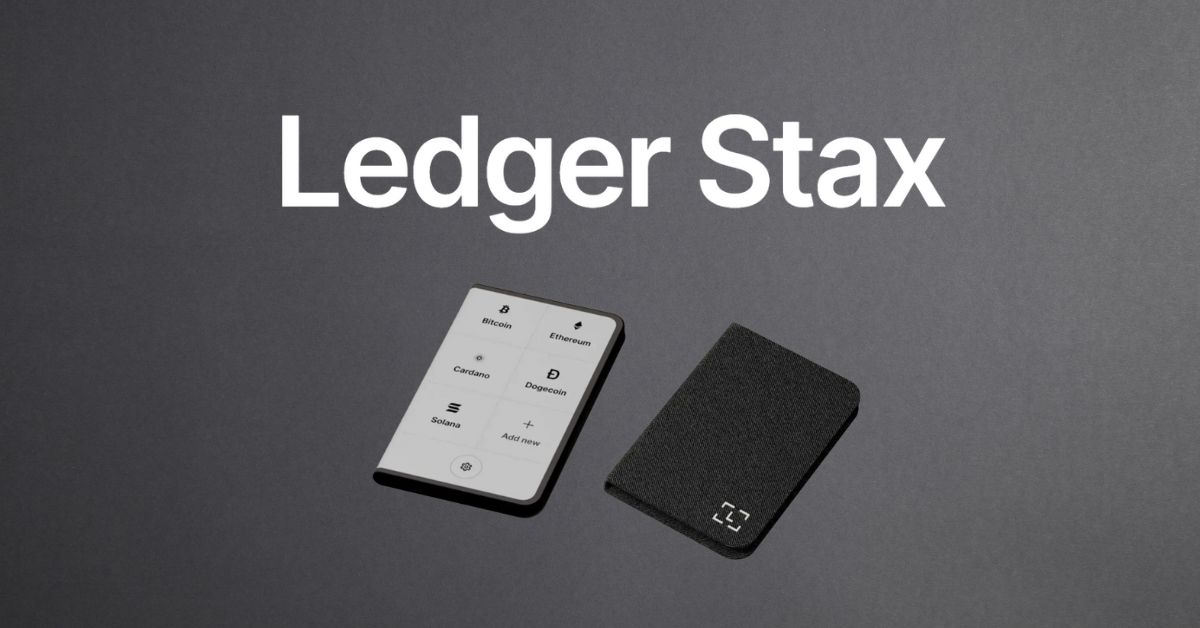
    Ledger Stax Review: A premium hardware wallet with strong security, a curved E Ink touchscreen, and extensive cryptocurrency support, helping investors protect their digital assets.

    Ledger Flex Review: User Friendly Security – A deep dive into the Ledger Flex, highlighting its intuitive touchscreen and security features.

    Ledger Nano S Plus Review – Covers the affordability and enhanced capacity of the Nano S Plus, making it a great entry-level option.

    Trezor Model T Review: Is It Worth Buying? – Examines the security features and usability of the Trezor Model T, a popular alternative to Ledger wallets.

    Top 3 Cryptocurrency Hardware Wallets: Which One’s Best? – A comparison of the Ledger Nano X, Trezor Model T, and KeepKey, analyzing their security, design, and ease of use.

  • Trezor Safe 3 Review: Secure and Accessible

    Trezor Safe 3 Review: Secure and Accessible

    In the competitive world of hardware wallets, Trezor has earned a reputation for prioritizing open-source transparency and uncompromising Bitcoin security. Trezor supports many coins, but its true strength is securing Bitcoin—earning trust from dedicated Bitcoin users. This review explores the Trezor Safe 3’s features and security to help you decide if it suits your crypto needs.

    buy now

    Trezor Safe 3: Overview and Design

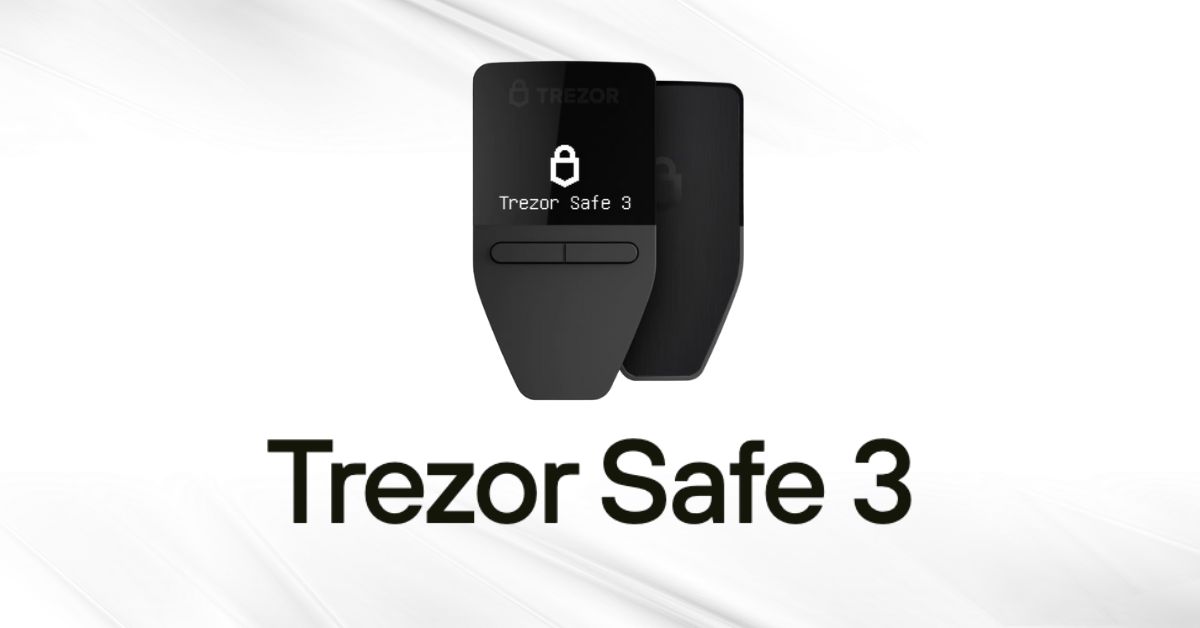
    The Trezor Safe 3, priced at US$79, is a next-generation hardware wallet that combines affordability with robust security features. It includes a Secure Element (EAL6+) chip for enhanced protection, a 0.96″ monochrome OLED screen, and a two-button interface for intuitive on-device confirmation. The wallet supports PIN and passphrase protection, 12-, 20-, and 24-word backups, and is compatible with Trezor Suite and third-party apps for managing thousands of coins and tokens. Its open-source design, USB-C connectivity, and sleek, tamper-evident casing make it a reliable and stylish choice for safeguarding digital assets.

    Security Features

    Trezor Safe 3 emphasizes physical and digital security, making it a dependable option for protecting your crypto assets. At its core is a Secure Element (EAL6+ certified) chip, which provides hardware-level protection against physical attacks and unauthorized access. This chip securely stores sensitive data like private keys, ensuring they never leave the device. This is a significant upgrade from the older Trezor Model One, which does not include a secure element.

    To further enhance security, the Safe 3 supports PIN and passphrase protection, both entered directly on the device to prevent exposure to malware on connected computers. A passphrase adds encryption, creating hidden wallets that stay secure even if the recovery seed is compromised.

    The device also features tamper-evident packaging and a durable, tamper-resistant casing, helping users detect any unauthorized interference before first use. For backup and recovery, the Safe 3 supports 12-, 20-, and 24-word recovery phrases, and is compatible with Shamir Backup for advanced redundancy.

    All Trezor devices, including the Safe 3, are open-source, allowing independent verification of their firmware and security protocols. This transparency reinforces trust and ensures that vulnerabilities can be identified and addressed quickly by the community.

    In short, the Trezor Safe 3 combines modern cryptographic protections with user-controlled security features, offering peace of mind for both new and experienced crypto holders.

    Broad Compatibility and Ecosystem

    Trezor Safe 3 uses USB-C and works with Linux, macOS 11+, and Windows 10 or newer operating systems. It functions seamlessly with the Trezor Suite, providing a comprehensive platform for managing a wide array of cryptocurrencies. While it supports thousands of coins and tokens as a universal wallet, its strong security features and open-source nature make it particularly appling to Bitcoin users. A Bitcoin-only version (also priced at US79) is available for those who prefer a dedicated device for their BTC.

    Click to BUY the Bitcoin-only version of the Trezor Safe 3

    Who Should Consider the Trezor Safe 3?

    The Trezor Safe 3 is an ideal choice for users seeking a highly secure and affordable hardware wallet. Its secure element and low price make it ideal for entry-level users seeking strong protection without overspending. It also suits Trezor users upgrading from Model One or needing a reliable backup hardware wallet. The Safe 3 embodies Trezor’s core values of security and open-source transparency in an accessible package.

    Conclusion

    The Trezor Safe 3 is a highly recommended hardware wallet for users seeking a secure, open-source solution—particularly those focused on protecting Bitcoin. It strikes an excellent balance between affordability and strong security by incorporating a Secure Element chip, while maintaining a simple, user-friendly design. The Trezor Safe 3 offers essential protection against digital threats, making it an ideal entry point for anyone serious about keeping their Bitcoin safe without having to spend a lot of money for a hardware wallet.

    buy now
  • Ledger Stax Review: The Premium Experience

    Ledger Stax Review: The Premium Experience

    Ledger Stax hardware wallet offers strong protection from online risks. Created by Ledger, a leader in digital security, the Stax features a user-friendly touchscreen, advanced encryption, and smooth functionality, making it a great choice for investors. In this review, we will break down its key features, security measures, and overall performance to help you decide if it’s the right wallet for your needs.

    buy now

    Check out our video review!

    What is the Ledger Stax?

    The Ledger Stax is a premium hardware wallet designed to offer top-tier security and a refined user experience for cryptocurrency investors. Priced at US$399.00, it features the world’s first curved E Ink® touchscreen, allowing for clear transaction signing and personalized lock screens with NFTs or photos. With its sleek credit card-sized design, lightweight build, and stackable magnets, the Ledger Stax combines cutting-edge technology with style, making it an ideal choice for users seeking both security and convenience.

    Overview and key features

    Here is an overview of the key features of the Ledger Stax:

    • Premium Hardware Wallet – Positioned at the high-end of the market with a price of US$399.00, offering top-tier security and design.
    • Curved E Ink® Touchscreen – The world’s first of its kind, featuring a 3.7-inch display with 16 grayscale levels for clear transaction signing and personalization.
    • Compact & Stackable Design – Credit card-sized (85mm x 54mm x 6mm) and lightweight (45.2g), with embedded magnets for easy stacking.
    • Robust Security – Equipped with a Secure Element Chip (ST33K1M5) with CC EAL6+ certification for advanced protection against threats.
    • Flexible Connectivity – Supports Bluetooth 5.2 and USB-C, ensuring seamless connection with Windows, macOS, Ubuntu, iOS, and Android devices.
    • Personalization Options – Allows users to customize the lock screen with NFTs or personal photos for a unique and tailored experience.
    • Ledger Live Integration – Provides access to 500+ cryptocurrencies, NFT support, and crypto services including buying, selling, swapping, and staking.
    • Premium Accessories – Comes with a Ledger Stax Magnet Shell for added protection and an elevated user experience.
    • Ideal for High-End Users – Best suited for those looking for a sophisticated, visually appealing, and highly secure hardware wallet, particularly NFT collectors.

    Is the Ledger Stax safe?

    The Ledger Stax is built with industry-leading security measures to protect your cryptocurrency from theft and unauthorized access. At its core is the Secure Element Chip (ST33K1M5) with CC EAL6+ Certification, the highest security standard for smart cards, ensuring robust protection against sophisticated attacks. Additionally, the device supports Bluetooth 5.2 and USB-C connectivity, allowing users to securely manage their assets on both desktop and mobile devices without compromising security. With these advanced features, the Ledger Stax provides a highly secure environment for crypto transactions, making it a safe and reliable choice for investors looking for top-tier protection.

    Cryptocurrency and ecosystem support

    The Ledger Stax offers extensive cryptocurrency support, enabling users to securely manage over 5,500 digital assets, including Bitcoin (BTC), Ethereum (ETH), Solana (SOL), Cardano (ADA), and Binance Coin (BNB). It seamlessly integrates with the Ledger Live app, allowing users to buy, sell, swap, and stake their assets while maintaining full control over their private keys. Additionally, the Stax supports third-party wallets, ensuring compatibility with a wide range of blockchain ecosystems while prioritizing security. With its advanced features and broad asset support, the Ledger Stax provides a comprehensive solution for crypto investors seeking both convenience and protection.

    Who is the Ledger Stax for?

    The Ledger Stax is designed for users who prioritize a premium experience, advanced customization, and the absolute latest in hardware wallet technology. While its higher price point may be a consideration for some, the Stax offers an unparalleled blend of security, usability, and aesthetic appeal. It’s particularly well-suited for users with extensive NFT collections or those who appreciate a highly personalized and visually engaging device for managing their digital assets. For those seeking the ultimate in hardware wallet sophistication, the Ledger Stax delivers a compelling proposition.

    Conclusion

    The Ledger Stax represents Ledger’s commitment to innovation in hardware wallet security, combining advanced features with a sleek, customizable design. While its premium price may not suit all users, its curved E Ink touchscreen, robust Secure Element Chip, and seamless Ledger Live integration make it a compelling choice for those seeking top-tier security and a personalized crypto experience. In 2025, the Ledger Stax remains a recommended device, particularly for investors who value cutting-edge technology, enhanced usability, and strong protection for their digital assets.

    buy now

    Cryptocurrency hardware wallet reviews

    Check out our other hardware wallet reviews:

    Ledger Flex Review: User Friendly Security – A deep dive into the Ledger Flex, highlighting its intuitive touchscreen and security features.

    Ledger Nano S Plus Review – Covers the affordability and enhanced capacity of the Nano S Plus, making it a great entry-level option.

    Trezor Model T Review: Is It Worth Buying? – Examines the security features and usability of the Trezor Model T, a popular alternative to Ledger wallets.

    Top 3 Cryptocurrency Hardware Wallets: Which One’s Best? – A comparison of the Ledger Nano X, Trezor Model T, and KeepKey, analyzing their security, design, and ease of use.

  • Ledger Flex Review: User friendly security?

    Ledger Flex Review: User friendly security?

    As cryptocurrency adoption surges, protecting your digital assets with a secure hardware wallet is more important than ever. While software wallets may work for small amounts, serious investors need robust offline solutions. In this Ledger Flex review, we’ll explore why this wallet leads the pack in usability, security, and value, comparing it to other top Ledger devices like the Stax and Nano S Plus.

    buy now

    Check out our video review!

    Key Features of Ledger Flex

    Here are some of the key features of the Ledger Flex:

    • Intuitive E Ink touchscreen: Equipped with a crisp, low-power E Ink display that ensures clear transaction verification and effortless navigation in any lighting.
    • Portable and sleek: Flexible form factor makes it ideal for carrying and on-the-go use.
    • Wide crypto support: Compatible with a broad range of cryptocurrencies for diverse portfolios.
    • Strong security foundation: Built with Ledger’s Secure Element and BOLOS operating system to protect against digital and physical threats.
    • Seamless connectivity: Offers both Bluetooth and USB-C support for smooth integration with mobile and desktop devices.
    • Versatile for all users: Suitable for beginners and experienced holders alike, delivering convenience without compromising security.

    Here are some of these key new features in more detail.

    E Ink Touchscreen: Unrivalled User Experience

    The E Ink touchscreen on the Ledger Flex is a game-changer for hardware wallet usability. Unlike smaller, monochrome screens that often require scrolling to view full transaction details, the Flex’s display provides a comprehensive overview at a glance. This ‘clear-signing’ capability is a critical security feature, as it ensures that users can verify every aspect of a transaction – including the recipient address, amount, and fees – directly on the device before approving it. This eliminates the risk of blind-signing malicious transactions, a common vector for attacks on less transparent hardware wallets. The tactile and visual feedback from the touchscreen makes the entire process intuitive and less prone to errors, especially for those new to the intricacies of cryptocurrency transactions.

    Asset Support and Ecosystem Integration

    The Ledger Flex hardware wallet is fully integrated into the Ledger ecosystem, offering seamless support through the Ledger Live app—Ledger’s trusted crypto management platform. Ledger Live (their official managment app) supports over 5,500 cryptocurrencies and tokens, including major assets like Bitcoin (BTC), Ethereum (ETH), Solana (SOL), Cardano (ADA), and Binance Coin (BNB). Users can also manage additional assets by connecting compatible third-party wallets such as MetaMask and MyAlgo, extending its versatility. The Ledger Flex allows for secure storage and transaction of Ethereum and Polygon NFTs, aligning with the growing demand for NFT hardware wallet support. Within Ledger Live, users can securely buy, sell, swap, send, receive, and stake selected cryptocurrencies—all in one streamlined, user-friendly interface.

    Security Features of the Ledger Flex

    At its core, the Ledger Flex is built on Ledger’s well-established security architecture. It features a Secure Element chip—a tamper-resistant microcontroller that securely stores cryptographic secrets and performs sensitive operations. This hardware-based security ensures private keys remain isolated from internet-connected devices, even if a computer or smartphone is compromised. Additionally, Ledger’s proprietary operating system (BOLOS) adds another layer of protection by creating a tightly controlled environment for executing all device operations.

    Should You Choose the Ledger Flex in 2025?

    If you’re looking for the best hardware wallet in 2025, the Ledger Flex stands out as a top recommendation—especially for beginners entering the world of cryptocurrency. Backed by our extensive testing and review, the Ledger Flex combines a spacious E Ink touchscreen, industry-leading security features, and support for over 5,500 digital assets, making it an outstanding value for its price. Its clear-signing capability enables users to safely verify and approve transactions directly on the device, reducing errors and blocking phishing attempts. While other Ledger models like the Nano S Plus and Stax have their strengths, the Flex excels in user experience without sacrificing protection. For anyone seeking a reliable, intuitive, and future-ready crypto hardware wallet, the Ledger Flex is an excellent choice.

    buy now

    Cryptocurrency hardware wallet reviews

    Check out our other hardware wallet reviews:

    Ledger Stax Review: A premium hardware wallet with strong security, a curved E Ink touchscreen, and extensive cryptocurrency support, helping investors protect their digital assets.

    Ledger Nano S Plus Review – Covers the affordability and enhanced capacity of the Nano S Plus, making it a great entry-level option.

    Trezor Model T Review: Is It Worth Buying? – Examines the security features and usability of the Trezor Model T, a popular alternative to Ledger wallets.

    Top 3 Cryptocurrency Hardware Wallets: Which One’s Best? – A comparison of the Ledger Nano X, Trezor Model T, and KeepKey, analyzing their security, design, and ease of use.